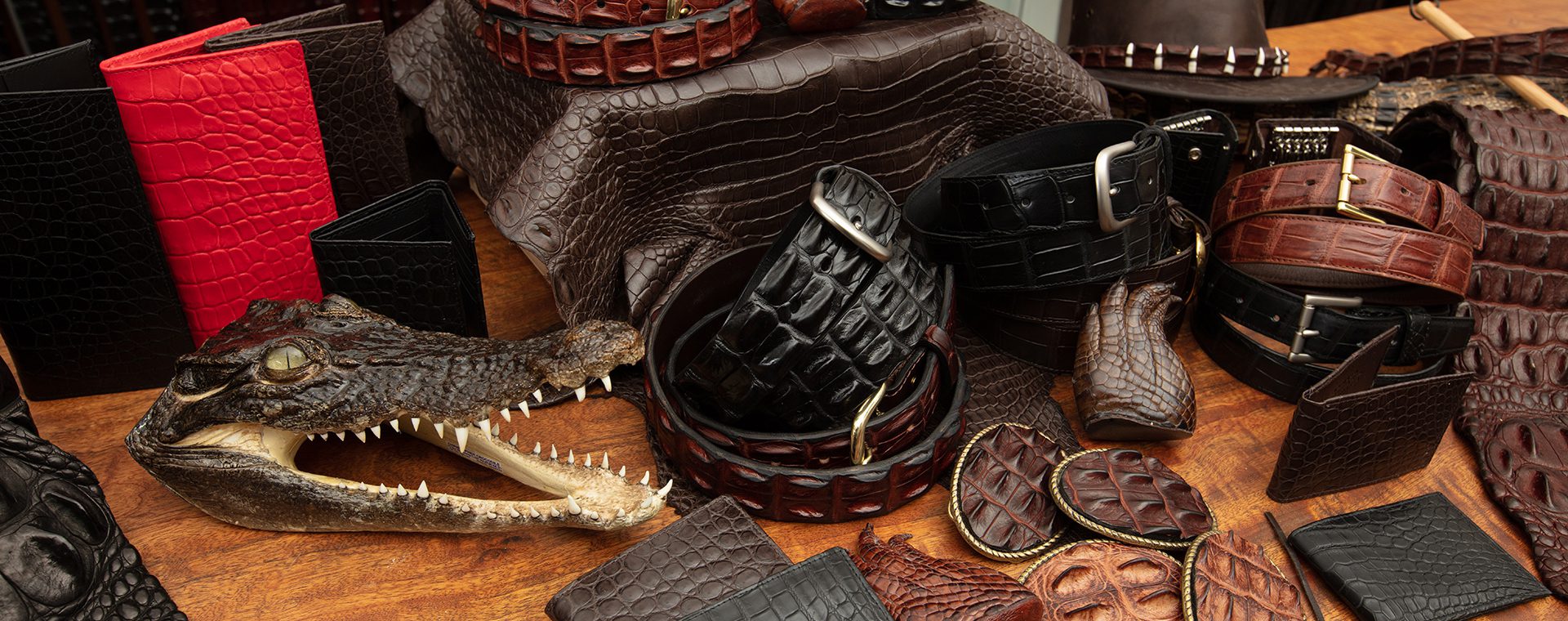
Understanding the different types of leather is essential for distinguishing genuine leather from synthetic alternatives. This comprehensive guide aims to shed light on the intricacies of leather, enabling you to make informed choices. With a focus on genuine leather, we explore the characteristics and properties of various leather types, such as full-grain, top-grain, corrected-grain, and more. By delving into the world of leather, you'll gain valuable insights to help you identify and appreciate the authenticity and quality of leather goods.
When it comes to preserving the pristine quality of your leather goods, proper cleaning and dusting techniques are paramount. A meticulous approach is essential, ensuring that every nook and cranny is attended to. Begin by gently removing dust and debris using a soft cloth or brush, taking care not to scratch the surface. For a deeper clean, opt for a mild leather cleaner specifically formulated for the task. Remember to avoid harsh chemicals or excessive water, as they can cause damage. By incorporating these essential tips into your cleaning routine, you can ensure that your leather goods remain in impeccable condition, standing the test of time.
As we delve deeper into the realm of leather, it becomes evident that knowledge about leather types is the foundation for maintaining the quality of leather goods. Through our research and collaboration with leather experts like Allen Stell, we've gained valuable insights into the intricate world of leather craftsmanship. Partnering with renowned artisans such as Grommet's Leathercraft, we've delved into the characteristics and nuances of full-grain, top-grain, and corrected-grain leather, among others. This invaluable expertise enables us to provide you with practical tips and guidance on preserving the authenticity and longevity of your leather possessions.
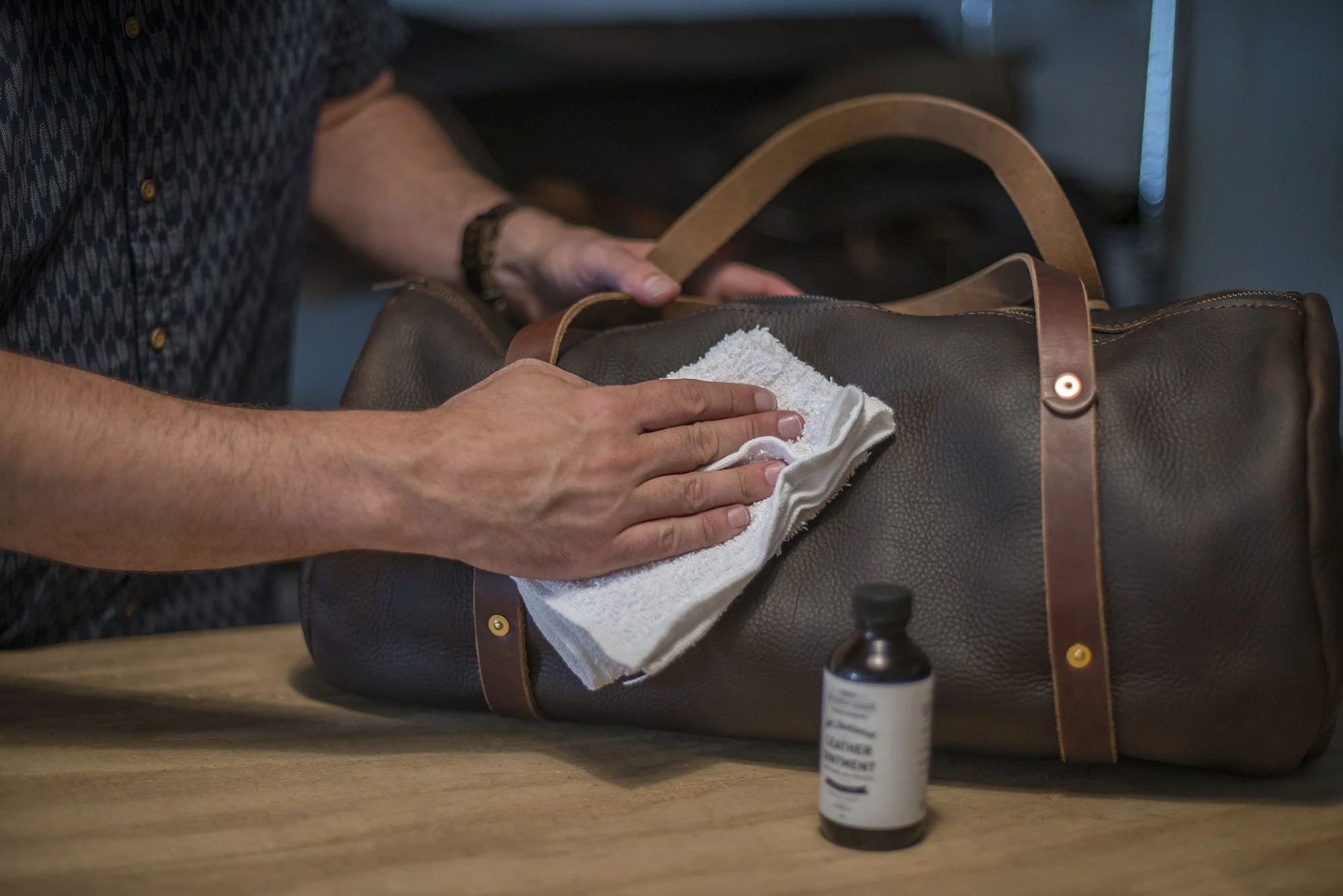
When it comes to nourishing and protecting your cherished leather goods, conditioning and moisturizing play a crucial role. The first step is to select a high-quality leather conditioner that suits your specific leather type, ensuring optimal results. Before applying the conditioner, it's important to gently clean the leather surface to eliminate any accumulated dirt or residue. Take your time to evenly distribute the conditioner, paying extra attention to dry or worn-out areas. Allow the conditioner to penetrate the leather for the recommended duration, using circular motions to massage it into the material, promoting thorough absorption. To prevent a greasy residue, make sure to wipe off any excess conditioner with a clean cloth. Regular conditioning is essential to maintain the suppleness of your leather goods and prevent them from drying out. For added hydration and flexibility, you may consider using a specialized leather moisturizer. Remember to perform a patch test on a small, inconspicuous area before applying the conditioner to the entire item and consult professional advice or manufacturer's instructions for specific recommendations.
When it comes to preserving the quality and longevity of your leather goods, protecting them from the harmful effects of sunlight and heat is of utmost importance. Exposure to direct sunlight can cause fading and discoloration, while excessive heat can lead to drying and cracking. To shield your leather items, it is advisable to store them in cool, dry areas away from direct sunlight or heat sources. If you must place them in a sunlit area, consider using curtains or blinds to filter out UV rays. Additionally, you can apply a leather protectant or conditioner with UV protection to create a barrier against sun damage. By taking these essential precautions, you can ensure that your leather goods retain their original beauty and remain in excellent condition for years to come.
Proper storage is key to maintaining the pristine condition of your leather goods, ensuring their longevity for years to come. Implementing smart storage strategies can safeguard against damage and deterioration. Firstly, clean and condition your leather items before storing them to prevent the accumulation of dirt or oils. Next, choose a storage location that is cool, dry, and well-ventilated, as excess moisture can promote mold or mildew growth. When storing leather goods, avoid folding or compressing them to prevent creasing or deformation. Instead, use dust bags or breathable fabric covers to protect them from dust and scratches. For added protection, consider using acid-free tissue paper to stuff handbags or shoes to help maintain their shape. By following these essential storage tips, you can preserve the quality and beauty of your leather possessions, ensuring they remain in excellent condition for years to come.
Tips for Maintaining the Quality of Leather Goods |
|---|
1. Clean and Dust RegularlyUse a soft cloth or brush to gently remove dust and dirt from the surface of your leather goods. Regular cleaning prevents buildup and maintains their appearance. |
2. Condition and MoisturizeApply a suitable leather conditioner to nourish and protect the leather. Conditioning helps retain moisture and prevents drying and cracking. |
3. Protect from Sunlight and HeatAvoid exposing your leather items to direct sunlight and excessive heat, as they can cause fading, discoloration, and damage to the leather. |
4. Handle with CareBe gentle when using and storing your leather goods. Avoid sharp objects or rough surfaces that can scratch or damage the leather. |
5. Store ProperlyStore your leather items in a cool, dry place with adequate ventilation. Avoid stacking or compressing them to maintain their shape and prevent creasing. |
6. Keep Away from LiquidsAvoid exposing your leather goods to water or other liquids, as they can stain or damage the leather. Use protective sprays for added water resistance. |
7. Handle Stains PromptlyIf your leather goods get stained, address it immediately. Use a specialized leather cleaner or follow manufacturer recommendations for stain removal. |
Accidents happen, and when it comes to your cherished leather goods, it's essential to know how to handle stains and spills effectively. Whether it's a coffee spill on your leather jacket or an ink stain on your favorite leather bag, quick and proper action can make all the difference. The first step is to gently blot the stain with a clean, absorbent cloth or paper towel to remove any excess liquid. Avoid rubbing the stain, as it can further spread and penetrate the leather. Next, use a specialized leather cleaner or a mild soap solution to gently clean the affected area, following the manufacturer's instructions. It's crucial to perform a patch test in an inconspicuous area before applying any cleaning solution to the entire stain. After cleaning, allow the leather to air dry naturally, away from direct heat sources. Finally, once the leather is completely dry, apply a leather conditioner to restore moisture and prevent any potential drying or discoloration. By following these essential tips, you can effectively handle stains and spills, preserving the beauty and quality of your leather goods.
Properly safeguarding your leather goods from excessive moisture is crucial in maintaining their longevity and pristine condition. Leather is a natural material that can be susceptible to damage and deterioration when exposed to prolonged moisture. To protect your leather items, it's important to take preventive measures. Firstly, avoid exposing them to rain or excessive humidity whenever possible. If your leather goods do get wet, gently pat them dry with a soft cloth and allow them to air dry naturally, away from direct heat sources. It's advisable to use a leather conditioner periodically to replenish moisture and maintain the leather's suppleness. Additionally, storing leather items in a cool, dry place with adequate ventilation can help prevent the buildup of moisture and minimize the risk of mold or mildew. By following these essential tips, you can effectively avoid excessive moisture and protect your valuable leather goods.
When it comes to preserving the impeccable appearance of your leather goods, addressing scratches and scuffs is a crucial skill to master. These blemishes can detract from the overall beauty of the leather, but with the right techniques, you can restore its flawless look. Begin by cleaning the affected area using a mild leather cleaner and a soft cloth. Gently rub the cleaner onto the scratch or scuff, working in circular motions. For deeper scratches, consider using a leather conditioner or cream specifically designed to diminish their visibility. Apply a small amount of the conditioner onto a clean cloth and buff the scratched area in a gentle, circular motion. Allow the conditioner to absorb into the leather, and then wipe away any excess. This process helps to hydrate and nourish the leather, minimizing the appearance of scratches and scuffs. With a little care and attention, you can effectively treat these imperfections and restore your leather goods to their original glory.
When it comes to leather, aging and the development of a beautiful patina are natural processes that enhance its timeless beauty. Embracing the unique characteristics that come with time is an essential part of preserving and appreciating leather goods. As leather ages, it acquires a distinct character, showcasing the journey it has been through. To enhance the patina and maintain the longevity of your leather items, it is important to follow a few key tips. First, avoid excessive exposure to direct sunlight and heat, as they can accelerate the aging process and cause fading or drying out. Secondly, regular conditioning and moisturizing help nourish the leather, keeping it supple and preventing cracks. Lastly, handle your leather goods with care, avoiding excessive friction or scratches. By embracing aging and patina, you can ensure that your leather items become even more cherished over time, reflecting their unique story and the memories associated with them.
When it comes to maintaining the longevity and quality of your cherished leather goods, professional maintenance and repairs play a vital role. Entrusting your items to experienced leather craftsmen and technicians ensures that they receive the specialized care they deserve. From intricate stitching repairs to rejuvenating worn-out surfaces, these experts possess the knowledge and skills to revive your leather treasures. With their meticulous attention to detail and use of high-quality materials, they can extend the lifespan of your items and restore them to their former glory. Whether it's refurbishing vintage pieces or addressing complex structural issues, professional maintenance and repairs offer comprehensive solutions tailored to your specific needs. By partnering with these skilled professionals, you can enjoy your leather goods for years to come, preserving their beauty and integrity.
It is recommended to clean your leather goods regularly using a soft cloth or brush to remove dust and dirt. The frequency of cleaning depends on usage and environmental conditions.
It is important to choose a leather conditioner that is suitable for your specific leather type. Consult the manufacturer's recommendations or seek professional advice for the best results.
To maintain the quality of your leather goods, store them in a cool and dry place, away from direct sunlight and excessive humidity. Avoid storing them in plastic bags, as leather needs to breathe.
Water should be used with caution when cleaning leather. It is generally recommended to avoid using excessive water on leather as it can cause damage. Instead, consult a professional cleaner for stubborn stains or seek specific leather cleaning products.